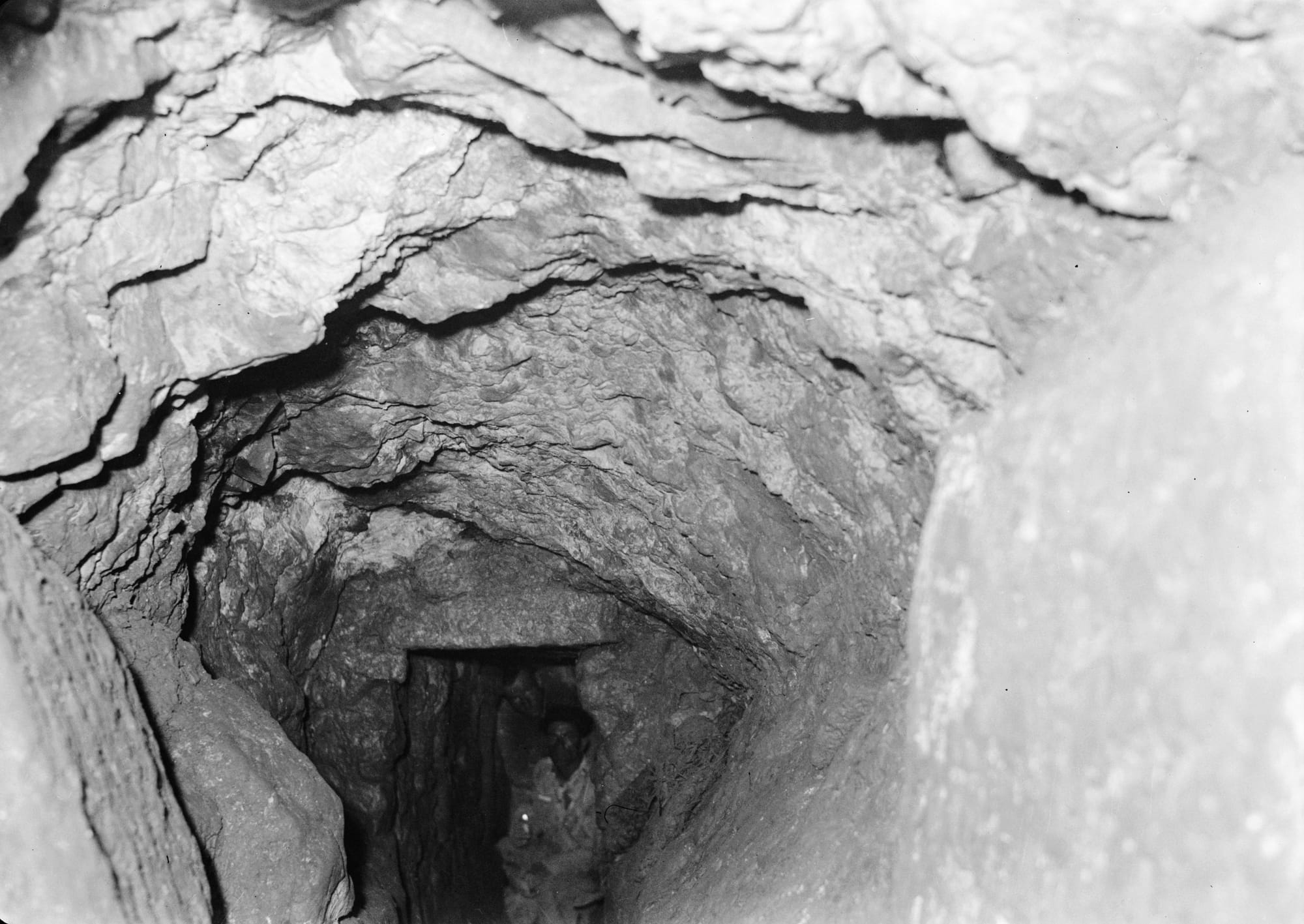
A 300-metre (985-foot) section of Jerusalem's Lower Aqueduct, believed to have been built during the Hasmonean period more than 2,000 years ago, has been uncovered in an Israel Antiquities Authority (IAA) excavation south of Kibbutz Ramat Rachel, Ynet reported. The Jerusalem Post reported that the IAA announced the find on Sunday 11 October. It was made at a site where the Israel Land Authority is developing a new residential neighbourhood.
Who built it, according to the excavators
The IAA archaeologists directing the excavation, Dr Benyamin Storchan and Gil Freid, described the Lower Aqueduct as "an impressive engineering project, probably built in the time of the Hasmonean kings to supply water to Jerusalem." The Hasmoneans were the Jewish dynasty that ruled Judea from roughly 140 to 37 BC.
A water line run by gravity
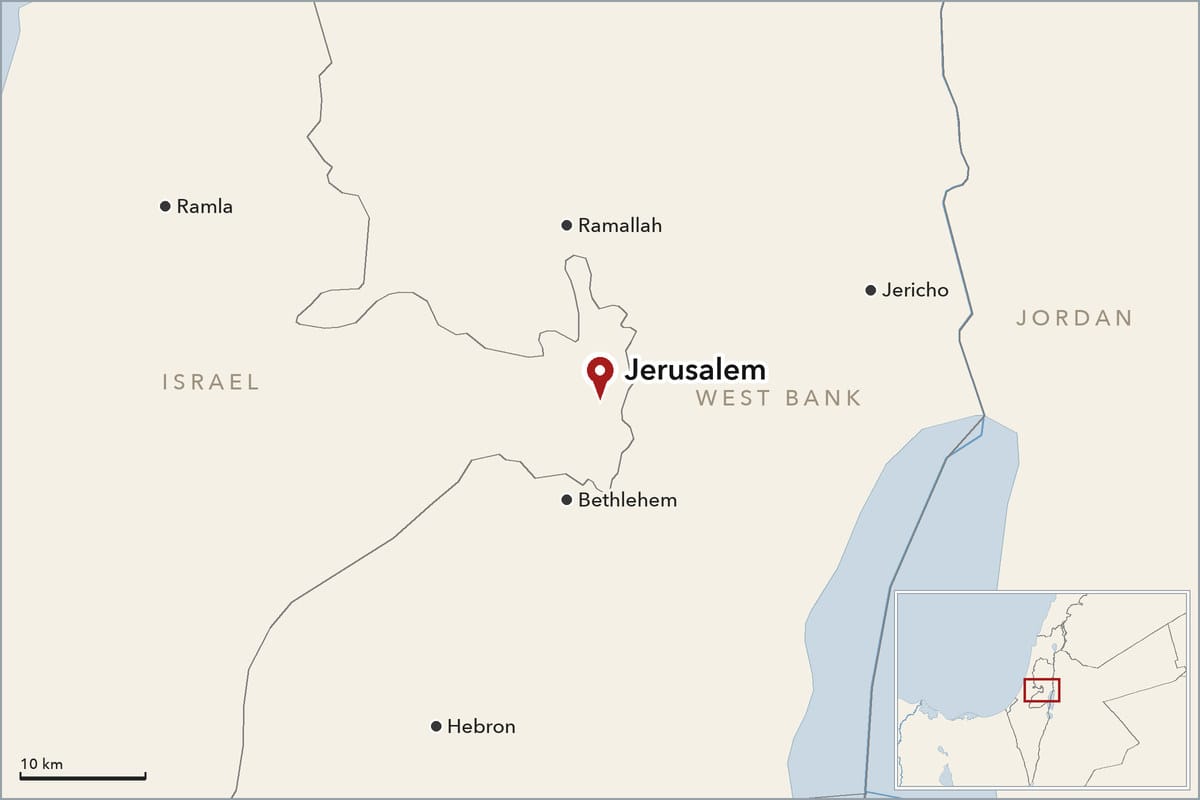
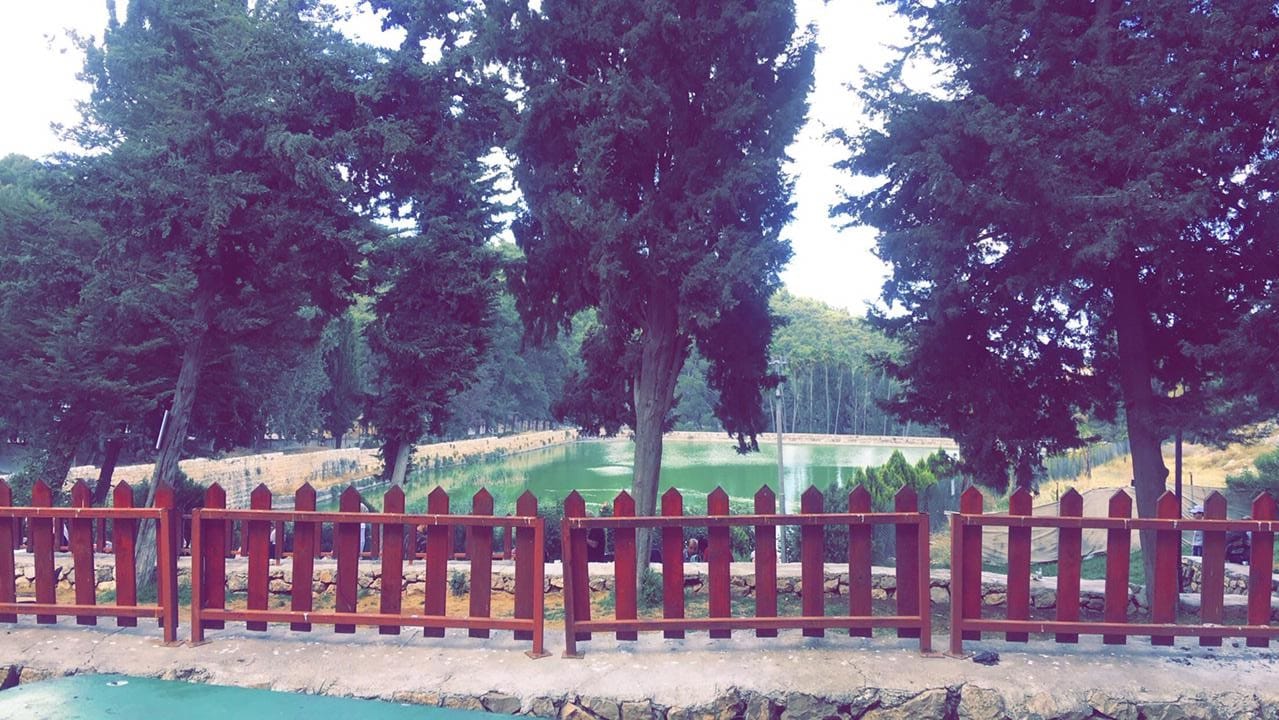
According to the IAA, the aqueduct was part of a sophisticated ancient water system that carried spring water from the Gush Etzion area via Solomon's Pools to the Temple Mount in Jerusalem. The two archaeologists said it extended approximately 21 kilometres (13 miles), from Solomon's Pools south of Bethlehem to Jerusalem. "Along most of the route, the water flowed along a very gentle gradient, dropping just one meter in elevation per kilometer," they said in the IAA's statement. Holding a fall of about one metre per kilometre along most of a 21-kilometre route is a demanding piece of surveying.
The IAA's published statement says the aqueduct was designed so that water flowed by gravity alone, without pumps or other mechanical means. To achieve that, its planners had to hold a gentle and precise gradient over many kilometres, adapting the route to the hillslopes and bedrock. Inspection points were installed along the system, giving access to the channel to clear blockages and carry out routine maintenance. Aleteia described the structure as deceptively simple: two rows of stone forming a wall, with a plastered U-shaped channel inside, likely covered by stone slabs. Aleteia added that where the terrain demanded it, engineers cut tunnels through hills rather than route the channel around them, which would have cost the gentle gradient the system depended on.
Layers of repair
According to Ynet, the newly uncovered section shows different stages in the water system's history. Initially, water flowed through a plaster-lined channel. About 500 years ago, during the Ottoman period, a ceramic pipe was installed inside the original watercourse. At that time the exterior of the aqueduct wall was coated with plaster, and stones were embedded in it one by one while it was still wet, creating a rough surface with a distinctive appearance that extended along the aqueduct's route. Storchan and Freid said the system was so well planned that it remained in intermittent use until about 100 years ago.
What happens to the section
Under the building plans, the aqueduct section will be incorporated into the main entrance to the new neighbourhood and displayed to the public in a way that lets visitors view it from all sides. Aleteia reported that the IAA and the Israel Land Authority plan to preserve the exposed section, and that the neighbourhood will eventually include up to 1,800 housing units. Dr Amit Re'em, the IAA's Jerusalem District Archaeologist, called the aqueduct "an engineering marvel" and said: "The dream and vision of the Israel Antiquities Authority is to create a continuous park that will allow people to walk alongside the aqueduct from southern Jerusalem to the Old City." He said the IAA was already advancing that initiative together with the Jerusalem Municipality and other partners. Aleteia added that the project has drawn criticism from international organisations concerned about the implications of new construction in the area between East Jerusalem and Bethlehem, and that it remains many years from completion.
Heritage Minister Rabbi Amichai Eliyahu said the aqueduct, "whose construction is attributed to the Hasmonean kings, tells the story of leaders who knew how to plan for the future", according to Ynet. Yehuda Eliyahu, acting director of the Israel Land Authority, said the discovery "reminds us that we are continuing a proud legacy of construction and development spanning generations", as Ynet reported.
How much has been dug, and the Jesus question
Aleteia reported that only about 2 kilometres of the aqueduct's 21-kilometre route have been excavated. The IAA said the discovery would be presented publicly for the first time that week at the 19th New Studies in the Archaeology of Jerusalem and Its Region conference, held in Jerusalem and Tel Aviv and organised by the IAA, Tel Aviv University, the Hebrew University of Jerusalem and Tagliot, the Israeli Institute of Archaeology. Aleteia reported that Gil Freid has used high-precision satellite mapping to trace the probable path of the unexcavated northern sections, work presented at the conference.
Aleteia's own account says the aqueduct carried water to the Temple Mount in the time of Jesus. Aleteia reported that Douglas Estes told Fox News he is "confident" that Jesus, his disciples and early Christians would have used the water from this system during visits to Jerusalem for the major pilgrimage feasts. Aleteia noted that no direct archaeological evidence links specific individuals to the channel. That makes Estes's view a scholar's judgement about likelihood, not something the excavation has shown.
Sources
Aleteia — Catholic Spirituality, Lifestyle, World News, and Culture (2026) 'Archaeologists unearth aqueduct that once fed the Temple MountAleteiaAleteiaAleteiaAleteia', Aleteia — Catholic Spirituality, Lifestyle, World News, and Culture, 18 October 2026, available at: https://aleteia.org/2026/10/18/archaeologists-unearth-the-aqueduct-that-once-fed-the-temple-mount/ (Accessed: 9 November 2026).
Druckman, Y. (2026) '2,000-year-old aqueduct that brought water to Jerusalem’s Temple Mount uncovered near', ynetglobal, 11 October 2026, available at: https://www.ynetnews.com/environment/article/bkqebndozg (Accessed: 9 November 2026).
The Friends of the Israel Antiquities Authority (n.d.) 'News', The Friends of the Israel Antiquities Authority, available at: https://www.friendsofiaa.org/news-in-antiquities (Accessed: 9 November 2026).
The Jerusalem Post (2026) 'Israel unearths 2,000-year-old section of Jerusalem aqueduct', The Jerusalem Post, 11 October 2026, available at: https://www.jpost.com/archaeology/article-911290 (Accessed: 9 November 2026).
Picture credits
- Top picture: An archive photograph from the Library of Congress's Matson Collection of an aqueduct from the Pools of Solomon to Jerusalem. Image: Library of Congress, Matson Photo Service (public domain) (source)
- Solomon's Pools, south of Bethlehem, from which the Lower Aqueduct carried water to Jerusalem. Solomon's Pools, Bethlehem — photo by بشرى خضر بوجي, CC BY-SA 4.0 (Wikimedia Commons)
- Map: drawn from Natural Earth (public domain) and Wikidata.

