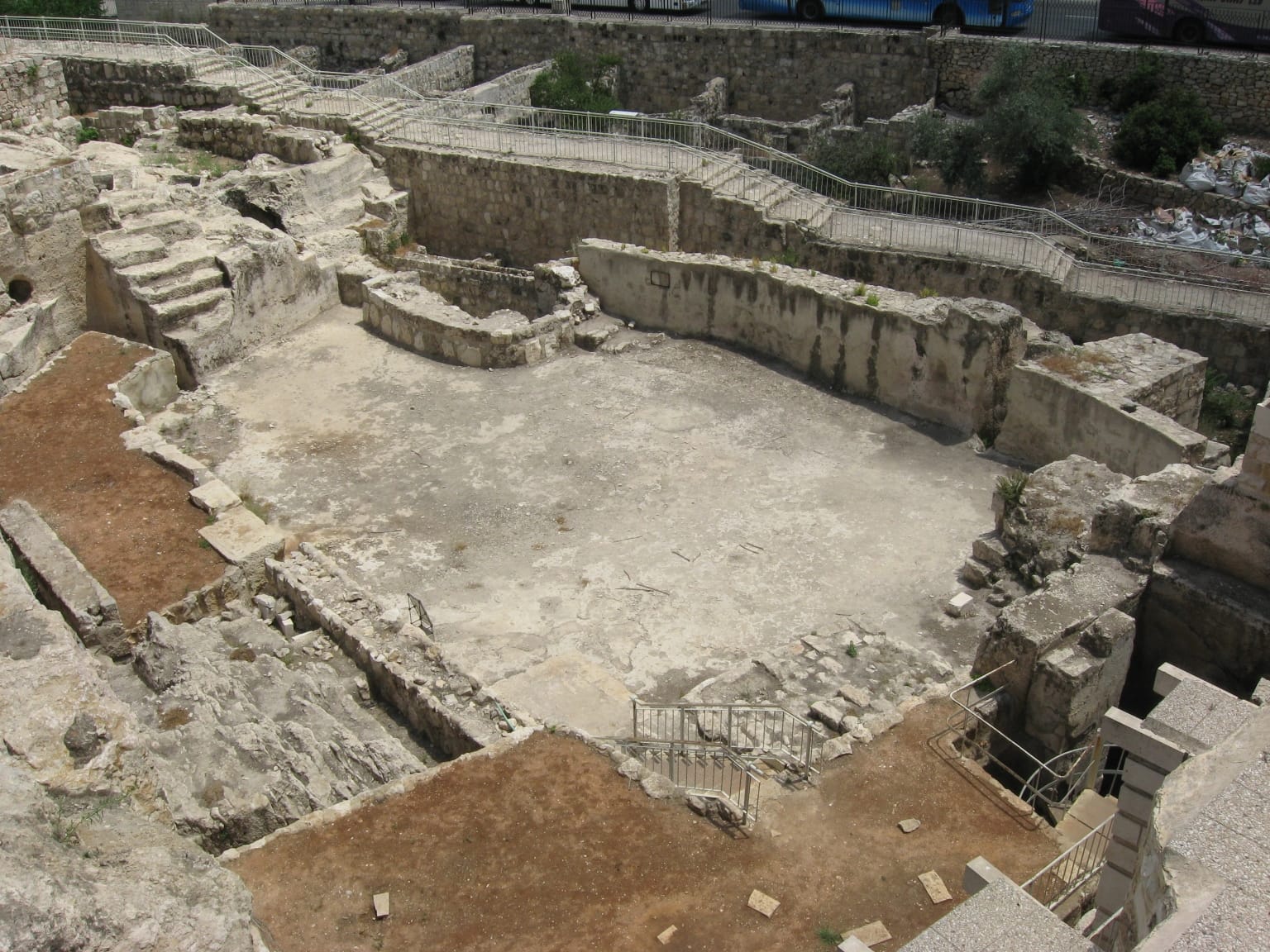
Archaeologists from the Hebrew University of Jerusalem report that they have uncovered a monumental complex of ritual baths at the foot of the Temple Mount. In its announcement of 2 October 2026, American Friends of the Hebrew University said the baths were "most likely used by Jewish pilgrims visiting the Temple in Jerusalem".
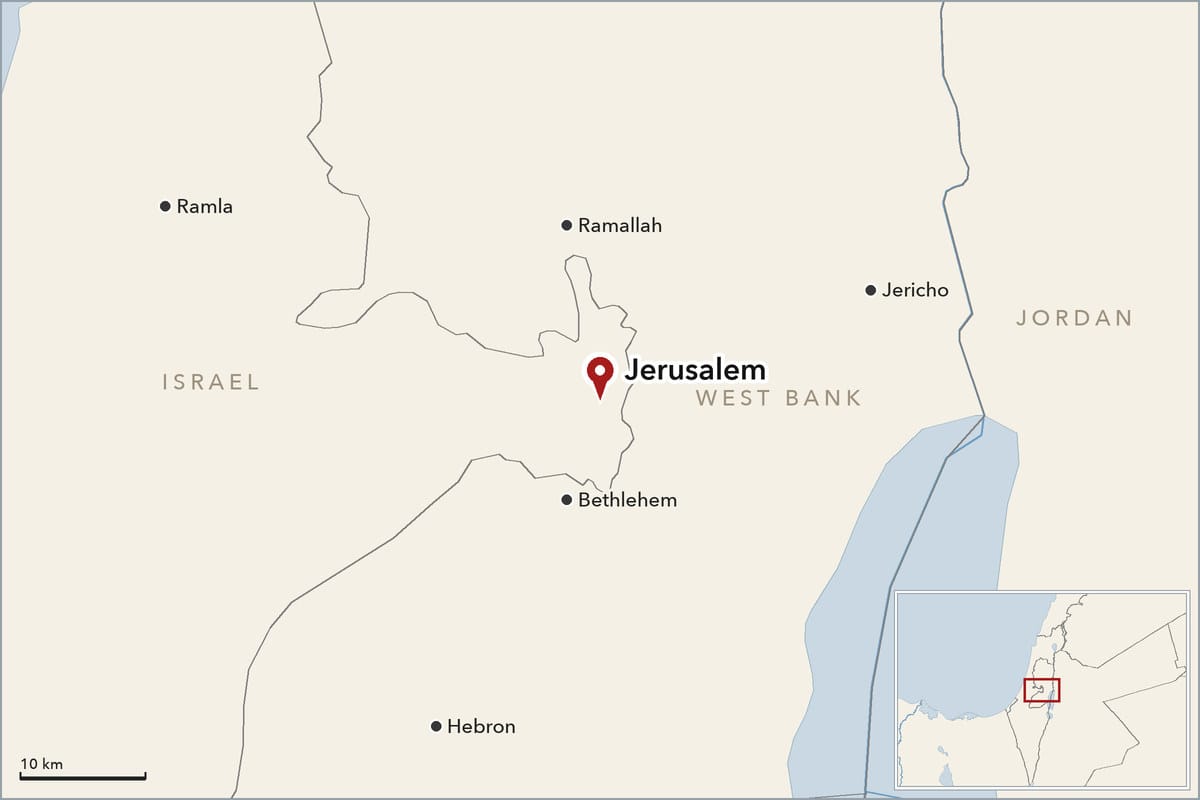
The excavations took place in the Ophel, the area immediately south of the Temple Mount in the Old City. They were directed by Prof. Uzi Leibner and Prof. Orit Peleg-Barkat of the university's Institute of Archaeology.
What was found
At the centre of the complex, which was built in the early first century CE, is a large plastered pool. It measures about 12 by 9.5 metres (39.4 by 31.2 feet), with steps leading down into it from all four sides.
Northwest of the pool stands a finely built ashlar structure with four rooms, three of which the team identified as large public ritual baths. Two of those baths have carefully hewn ashlar steps. Between the pool and the building lies a forecourt paved with large, finely dressed stone slabs. The whole complex covers about 280 square metres (3,013.89 square feet).
One of the baths survives to its full height of 4.2 metres, including the stone vault above it and the shaft that supplied it with water. The announcement describes the preservation of a Second Temple–period structure from floor to ceiling as exceedingly rare in Jerusalem, particularly in such a central location.
Where the water went
The pool and baths were connected to a drainage system of large channels that carried water from the complex toward the Kidron Valley. ColombiaOne, reporting on the find on 19 October, says the channels survive to more than 2 metres (6.6 feet) high in places.
According to the announcement, the size of the channels indicates that large volumes of water passed through them. It suggests the complex may have been supplied by a permanent source of running water, possibly a branch of the aqueduct that supplied the Temple during the Second Temple period.
Beside a gate of the Temple Mount
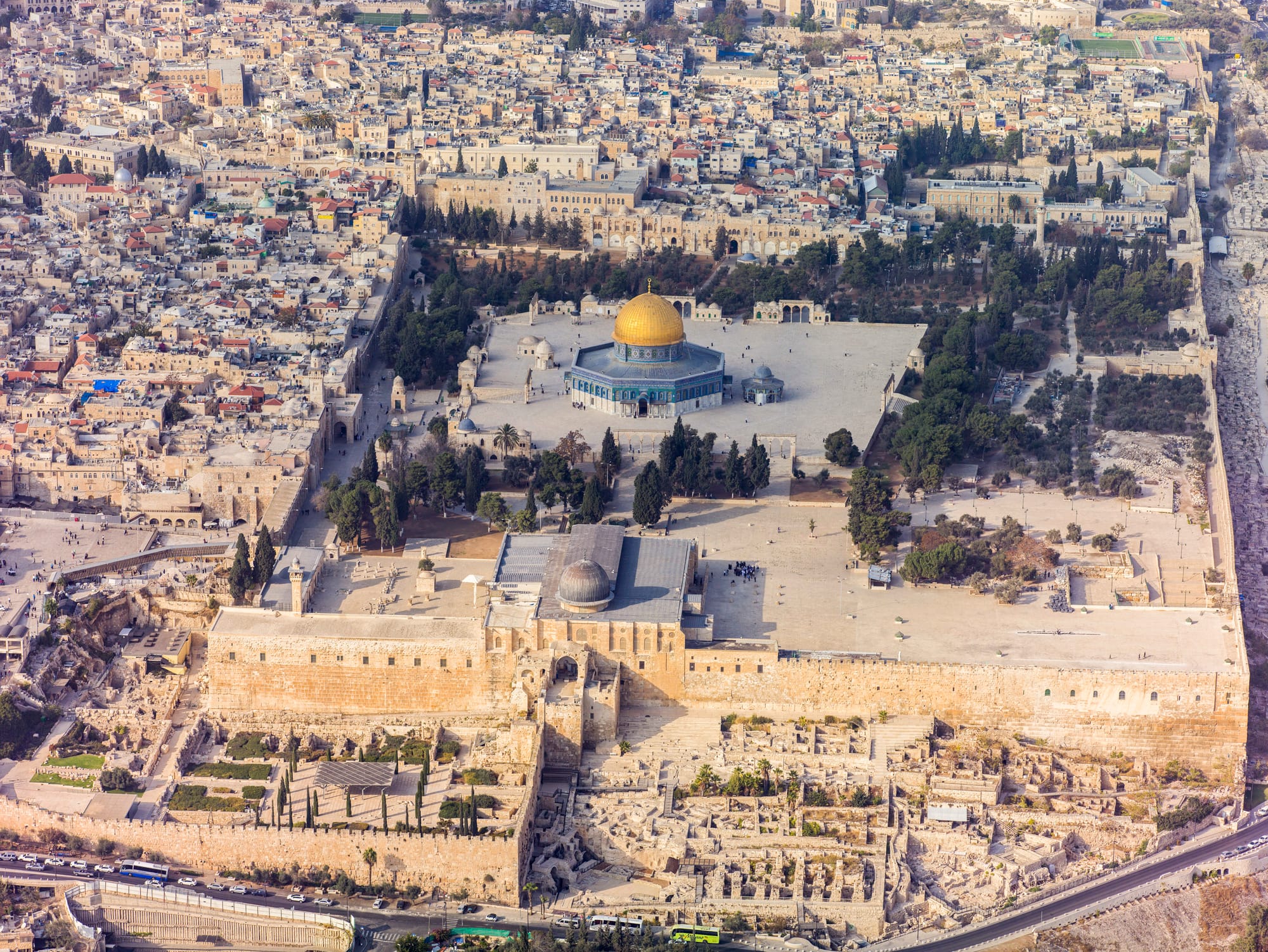
In the announcement, the two directors place the complex near one of the Temple Mount's gates. Both ColombiaOne and The Jewish Weekly name it as the Triple Gate, which they describe as one of the principal entrances to the Temple Mount.
"A monumental ashlar structure devoted entirely to ritual purification, situated at the foot of the Temple Mount and near one of its gates, is a truly unparalleled phenomenon," Prof. Leibner and Prof. Peleg-Barkat said, according to the announcement. They added that the complex "goes to the heart of our research into the archaeology of Second Temple-period pilgrimage: how the area immediately south of the Temple Mount was designed to accommodate the many pilgrims who came to Jerusalem to visit the Temple, and what activities and rituals took place near its gates."
An earlier bath underneath, and an end in 70 CE
The monumental complex was not the first public purification facility on the spot. Beneath it, the expedition found remains of an earlier ashlar-built public complex that also included a large ritual bath, probably dating to the first century BCE. The announcement says this points to a longer history of ritual purification activity next to the Temple Mount.
The later complex, according to the announcement, "met a dramatic end in the summer of 70 CE, when Jerusalem and the Temple were destroyed by the Romans." The evidence includes dozens of coins from the First Revolt against Rome, found on the floors of the complex and in the destruction debris.
The dig
The find is the result of five seasons of excavation in the Ophel. The Institute of Archaeology at the Hebrew University worked in cooperation with the Armstrong Institute of Biblical Archaeology. Funding came from the Israel Science Foundation, the Armstrong Institute and the Hertog Center for the Archaeological Study of Jerusalem. The site lies within Jerusalem Walls National Park, run by East Jerusalem Development Ltd.
In their statement, the directors point to the complex's monumental scale, its position near one of the Temple Mount's gates and its dedication entirely to ritual purification. That makes a public, pilgrim-facing function a reasonable reading of the site.
Sources
American Friends of the Hebrew University (2026) 'Second Temple–Period Purification Complex Uncovered at the Foot of the Temple Mount in the Old City of Jerusalem', AFHU, 2 October 2026, available at: https://www.afhu.org/2026/10/02/second-temple-period-purification-complex-uncovered-at-the-foot-of-the-temple-mount-in-the-old-city-of-jerusalem/ (Accessed: 19 October 2026).
Gonzalez, C. (2026) 'Archaeologists Discover Monumental Ritual Baths Near Jerusalem's Temple Mount', ColombiaOne, 19 October 2026, available at: https://colombiaone.com/2026/10/19/ancient-ritual-baths-jerusalems-temple-mount/ (Accessed: 19 October 2026).
The Jewish Weekly (2026) 'Monumental Second Temple–Period Purification Complex Uncovered in the Old City of Jerusalem', The Jewish Weekly, 15 October 2026, available at: https://thejewishweekly.com/monumental-second-temple-period-purification-complex-uncovered-in-the-old-city-of-jerusalem/ (Accessed: 19 October 2026).
Picture credits
- Top picture: A pool in the Ophel, Jerusalem, the area immediately south of the Temple Mount. Image: Pool in the Ophel, Jerusalem: Oren Rozen, CC BY-SA 3.0, via Wikimedia Commons
- The Temple Mount in Jerusalem's Old City. Image: Aerial view of the Temple Mount, Jerusalem: Godot13, CC BY-SA 4.0, via Wikimedia Commons
- Map: drawn from Natural Earth (public domain) and Wikidata.

