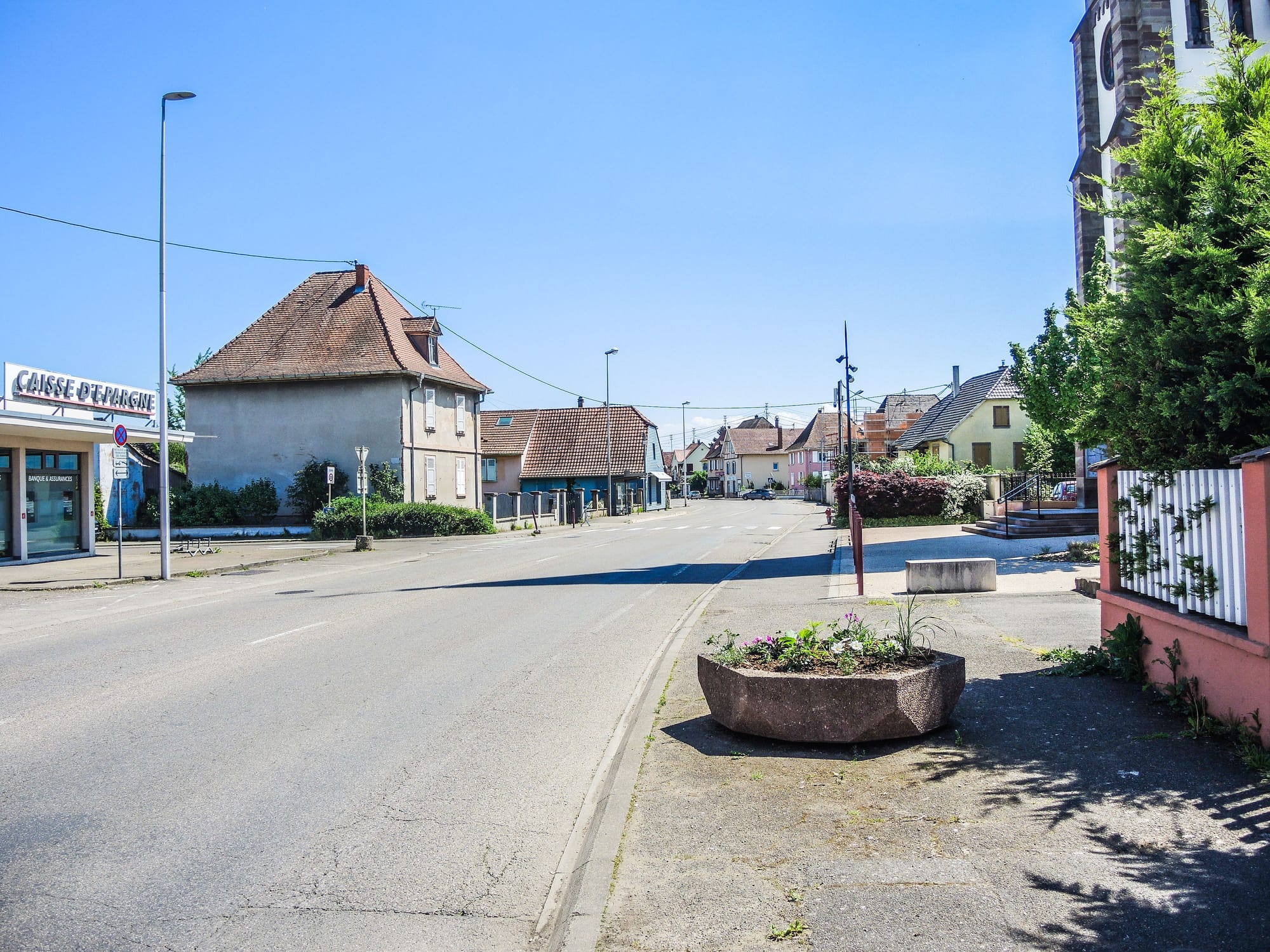
On 6 November 2026, France's national institute for preventive archaeology, Inrap, announced the discovery of a large Gallo-Roman residential zone and a rare cemetery at Horbourg-Wihr, near Colmar. The rescue excavation was prescribed by the Drac Grand Est ahead of a property development project. Live Science, working from a translated Inrap statement, reported that the cemetery was used from about AD 450 to 500, a critical period in Western Europe because of the collapse of the Roman Empire.
What was in the graves
According to the Inrap statement as reported by Live Science, archaeologists found 11 adult graves, three graves of children and two horse burials. Connaissance des Arts describes the group as a late Roman cemetery dated to the second half of the fifth century, and counts the 11 graves as those of adults or older adolescents. In the two female burials, archaeologists found silver bird-shaped brooches, glass bead necklaces and a bone comb, which Live Science says suggests these may have been high-status women.
Two of the male burials stood out for their grave goods: a sword with a partially preserved wooden scabbard, a shield, a javelin and a scramasax, a type of Germanic short sword, which was decorated with a gold-and-garnet accessory. The archaeologists say the weapons are typical of Germanic chieftains or of federate troops integrated into the Roman army, and two horses were buried nearby with their harnesses. Connaissance des Arts writes that the gold and silver fittings, set with garnet, attest to the men's privileged social status. Those are readings of the grave goods, and they point to a type of burial rather than to named individuals.
Wounds on the skeletons
The skeletons add a harder edge to the finds. Two skeletons bore bone injuries likely caused by edged weapons, with no signs of healing, which Inrap says suggests they died quickly and violently. Another man's right knee bones had completely fused together, a condition called ankylosis that commonly results from an improperly healed injury. Connaissance des Arts likewise reports unreduced fractures on some bodies, one of which would have caused ankylosis of the knee.
The archaeologists believe the warriors' grave goods were not just for show, but further study of the skeletons is planned to confirm whether the injuries seen during the excavation could have been sustained in a conflict. Connaissance des Arts reports that first results of the anthropological study seem to confirm the dead were fighters.
A Roman town, then a cemetery
The cemetery sits within an area that had a Gallo-Roman village from the first to the third centuries, where archaeologists found several ancient houses, hearths, wells and craft areas. Connaissance des Arts places the habitation zone on the right bank of the Ill, in a vicus, or secondary settlement, near the Rhine limes, the defensive system marking the Roman frontier along the river.
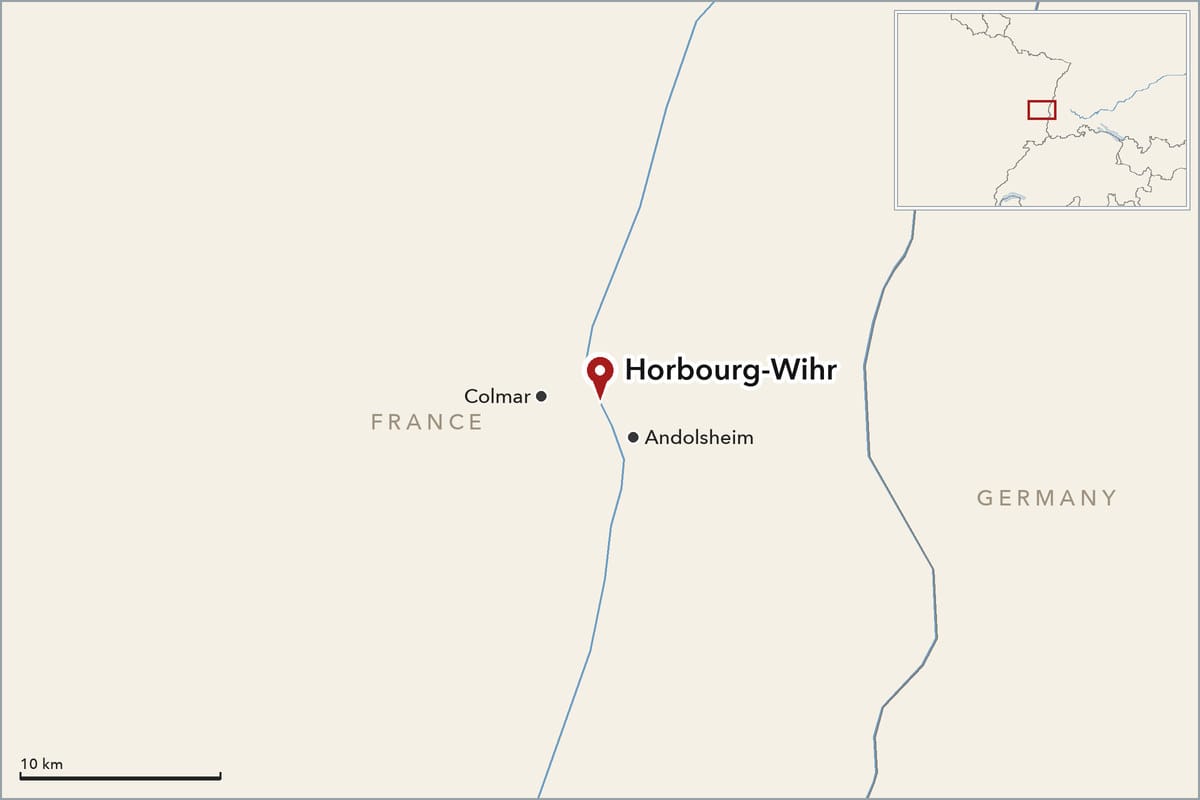
Live Science puts the burial complex just a few miles from the Rhine, which forms the border between France and Germany. Connaissance des Arts places Horbourg-Wihr 4 km from Colmar and calls it an agglomeration known for its rich underground Gallo-Roman heritage, citing the archaeologist Matthieu Fuchs, who calls it the largest Roman town in central Alsace.
Why the site matters
Live Science reports that few Germanic settlements and cemeteries from the fifth century have been found, so the site should provide important information about the upheavals linked to the fall of the Western Roman Empire and how that collapse affected communities on the empire's edge. Live Science adds that scholars have debated for centuries why the empire fell, and that one key issue was the repeated occupation of Rome in the fifth century by the Goths and the Vandals.
Sources
Connaissance des Arts (2026) 'Archéologie : en Alsace, une rare nécropole du Ve siècle livre des tombes de guerriers germaniques aux épées et aux parures d'or ornées de grenats', Connaissance des Arts, 13 November 2026, available at: https://www.connaissancedesarts.com/monuments-patrimoine/archeologie/archeologie-en-alsace-une-rare-necropole-du-ve-siecle-livre-des-tombes-de-guerriers-germaniques-aux-epees-et-aux-parures-dor-ornees-de-grenats-11218456/ (Accessed: 15 November 2026).
Killgrove, K. (2026) 'Rare fifth-century burials of Germanic chieftains with dazzling weapons and warhorses discovered in France', Live Science, 8 November 2026, available at: https://www.livescience.com/archaeology/rare-fifth-century-burials-of-germanic-chieftains-with-dazzling-weapons-and-warhorses-discovered-in-france (Accessed: 15 November 2026).
Picture credits
- Top picture: Horbourg-Wihr, the town near Colmar where the cemetery was found. Photo: Espirat (source)
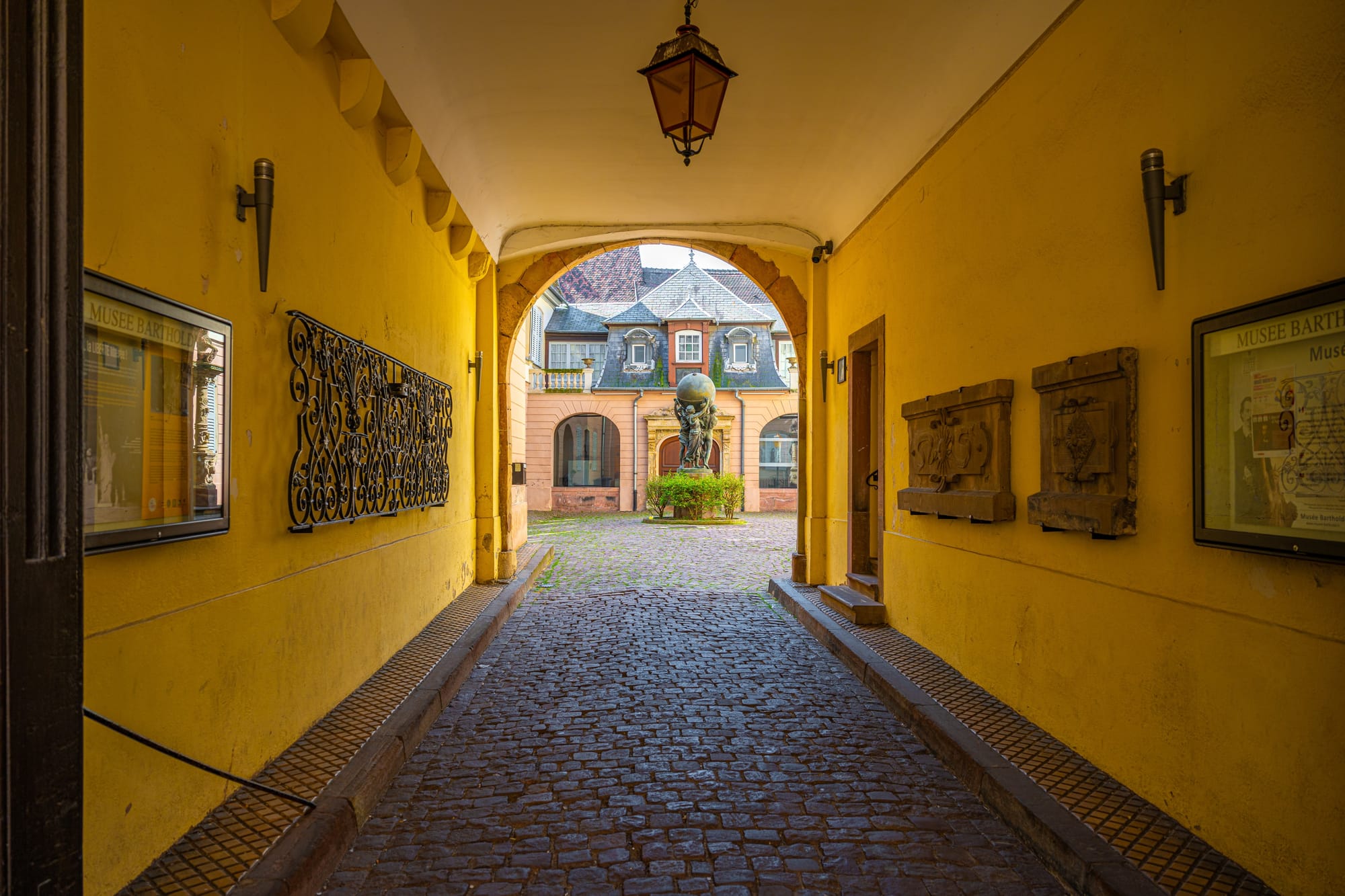
- Colmar, near which the burial complex was discovered. Photo: karlheinz klingbeil, CC BY 4.0, via Wikimedia Commons
- Map: drawn from Natural Earth (public domain) and Wikidata.

