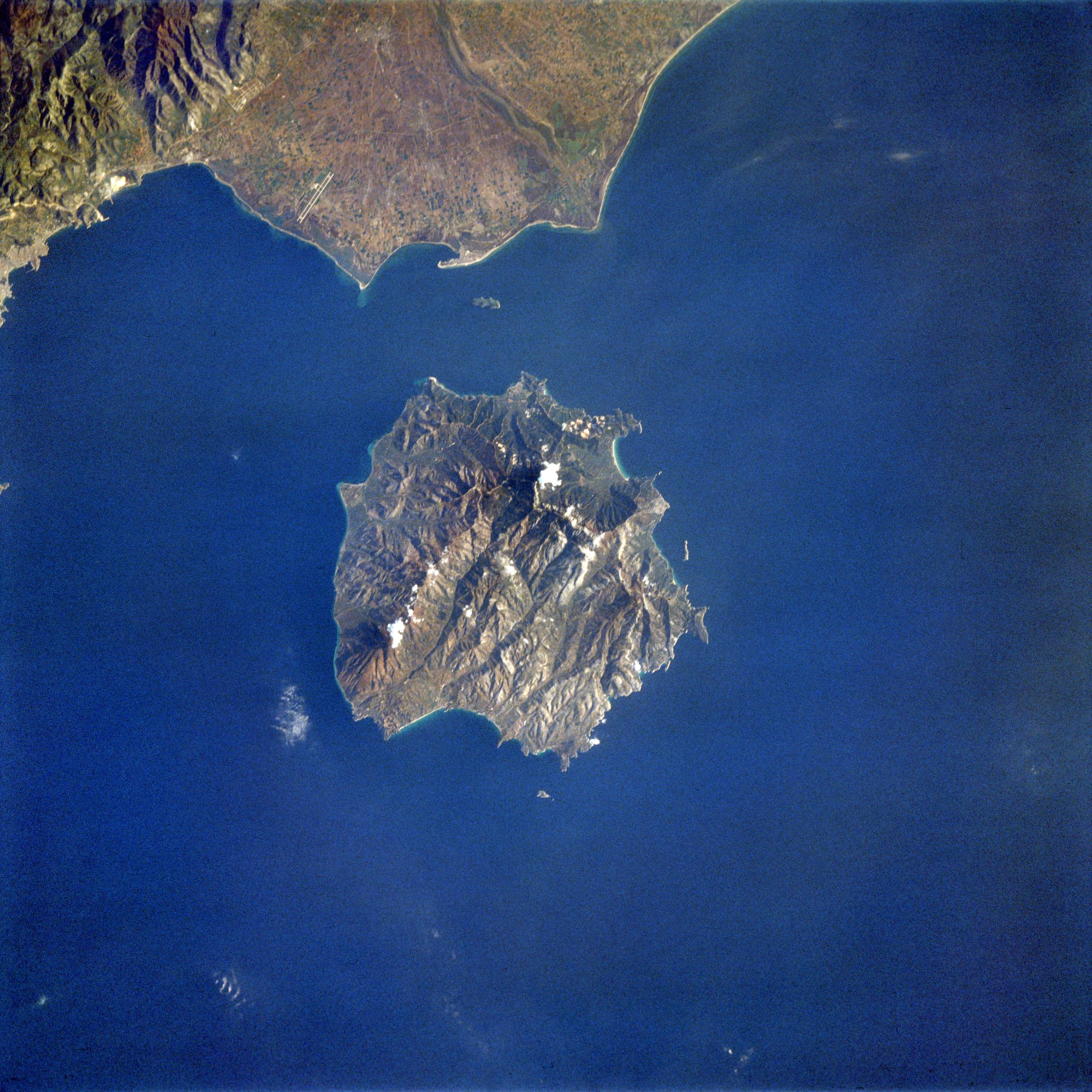
In April 2020, Adelphi University published a news release with the headline "Adelphi Researcher Discovers Early, Complex Brain Surgery in Ancient Greece". It describes ten skeletons from Paliokastro, on the Greek island of Thasos, and one skull among them that the lead researcher says carries the marks of a very elaborate operation. This article sets out what the university said and who said it.
What was found
Adelphi says the work is "the first forensically assessed archeological discovery" of a group of mounted archer-lancers and their kin from the Eastern Roman Empire. They belong to the ProtoByzantine period, which the release says spanned the fourth to seventh centuries.
The release gives the count as ten skeletal remains, four women and six men, found at Paliokastro and described as likely of high social standing. A listing for the researcher's book from the publisher Archaeopress says the remains were interred in four monumental funerary contexts. The release says the advanced preservation of the remains, together with the impressive location and architecture of the funerary monumental church where they were buried, shows their high status in the region.
Anagnostis Agelarakis, the lead researcher, whom the release describes as a professor of anthropology in Adelphi's Department of History, said of the burial place: "The burial place and architecture of the funerary monumental church and the construction of the graves is spectacular." He added that it indicates the high social standing of the people buried there.
Lives written in the bones
According to Adelphi, the bones record physical activity and trauma as well as surgery. Agelarakis said: "The very serious trauma cases sustained by both males and females had been treated surgically or orthopedically by a very experienced physician/surgeon with great training in trauma care. We believe it to have been a military physician."
That last sentence is a belief, and it is worth reading as one. The release attributes it to Agelarakis, and it is an interpretation of the bones, not a recovered record of who treated these people.
The skull
The release says one of the ten, a man, underwent a complex form of brain surgery. A caption on one of its published images of the skull refers to an orifice on the mastoid process and to surgical preparation around a trephination, the cutting of an opening into the skull.
Agelarakis said "even despite a grim prognosis, an extensive effort was given to this surgery for this male", and suggested that the man was probably "a very important individual to the population at Paliokastro". The release describes the team as having drawn medical, surgical and palaeopathological data from what it called an "extraordinary head and neck surgery and the great efforts of the surgeon."
On the cause and the outcome, the release says it was determined that the likely reason for the surgery was infection, and that the man, whom it calls the archer, died shortly after the operation or during it.
Agelarakis's own verdict on the operation was: "The surgical operation is the most complex I have ever seen in my 40 years of working with anthropological materials." He went on to say that it was "unbelievable" that it was carried out, given the complicated preparations and the fact that it took place in a pre-antibiotic era.
The book
Adelphi says the results are set out in a book: Eastern Roman Mounted Archers and Extraordinary Medico-Surgical Interventions at Paliokastro in Thasos Island during the ProtoByzantine Period: The Historical and Medical History Records and the Archaeo-Anthropological Evidence, from Archaeopress, Access Archaeology. Archaeopress's listing is by Anagnostis P. Agelarakis. It describes the study of the skeletal remains as giving a "unique insight" into the mounted archers and their female kin. The listing shows a paperback at £20.00, an institutional eBook at £10.00 and a free download option.
Where this leaves the story
My reading is that the findings are Agelarakis's, and the figures and quotations above come from his university's own release and his publisher's listing. The details a reader would most want to test are the dating of the burials, the reading of the skull as surgery, and the infection as its cause. The release states these conclusions; the evidence behind them is said to be set out in the book.
Sources
Adelphi University (2020) 'Adelphi Researcher Discovers Early, Complex Brain Surgery in Ancient Greece', Adelphi University, 8 April 2020, available at: https://www.adelphi.edu/news/adelphi-researcher-discovers-early-complex-brain-surgery-in-ancient-greece/ (Accessed: 25 October 2026).
Archaeopress (n.d.) 'Eastern Roman Mounted Archers and Extraordinary Medico-Surgical Interventions at Paliokastro in Thasos Island during the ProtoByzantine Period' (Keyword: Horse mounted archers), Archaeopress, available at: https://www.archaeopress.com/Archaeopress/Keyword/Horse-mounted-archers (Accessed: 25 October 2026).
Picture credits
- Top picture: Thasos island, Greece. Image: NASA (STS-56) (source)
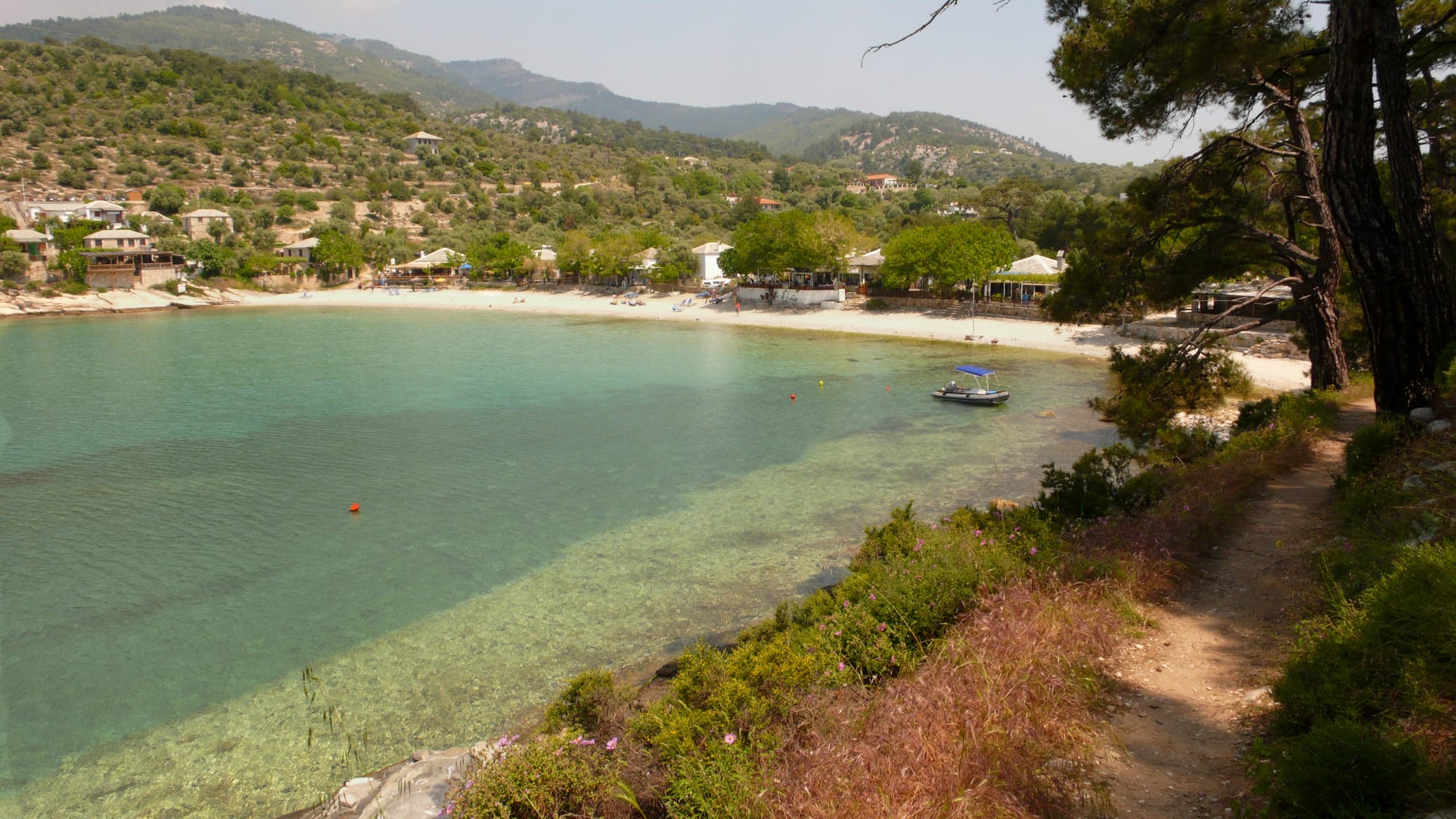
- Thasos island, Greece. Image: Aliki Bay, Thasos: DocWoKav (CC BY-SA 4.0) (source)
