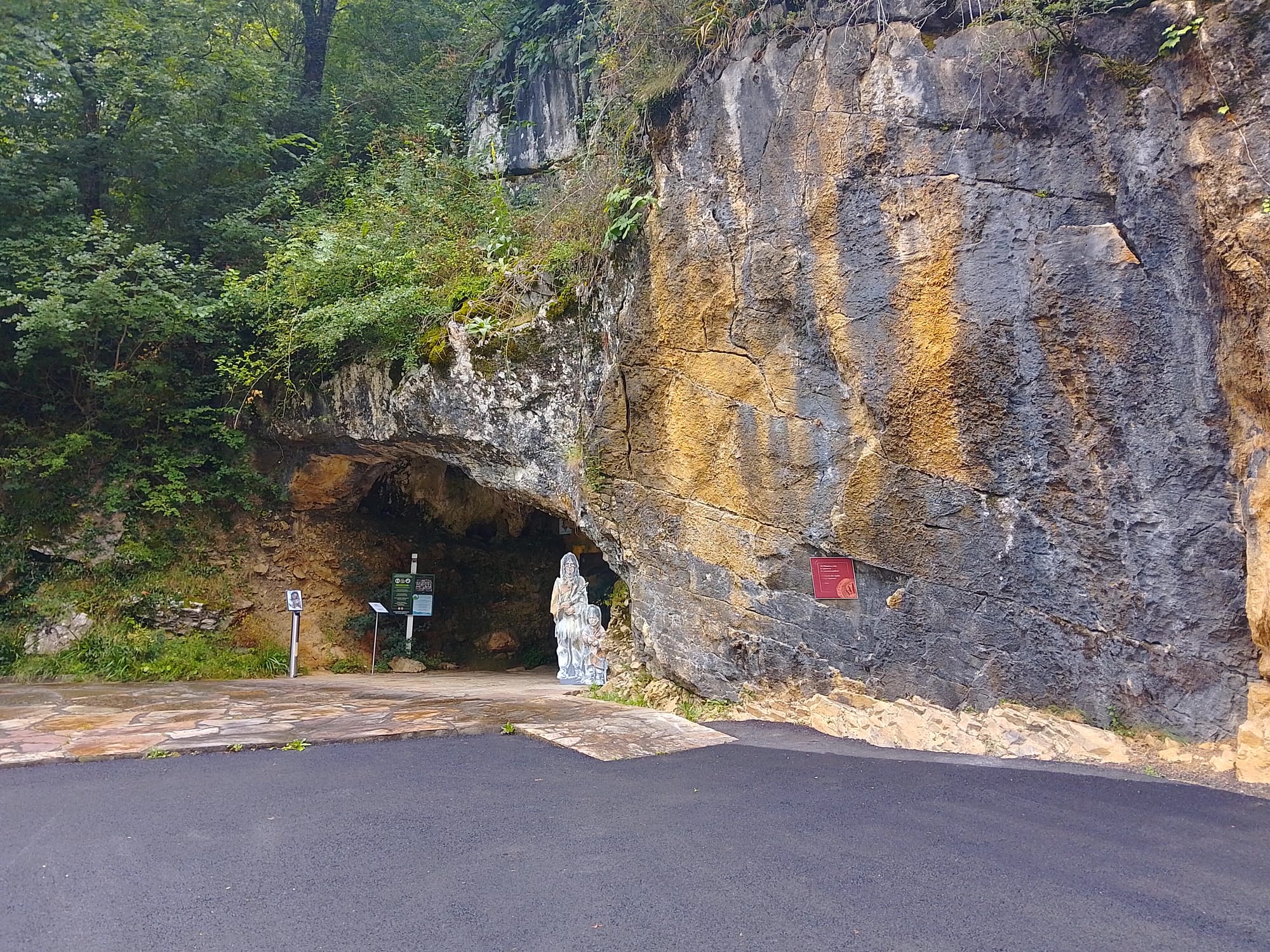
A new genome from a cave in southwestern France suggests that Ice Age people in western and eastern Europe were in contact. The study was published in Science Advances on 23 October 2026, according to Anthropology.net, and was covered the same day by Nautilus.
What the team did
Nautilus reports that the team extracted DNA from several Gravettian individuals who lived between 30,000 and 22,000 years ago in different parts of Europe. The Gravettians were hunter-gatherers known for tanged arrowheads and for carving Venus figurines from mammoth ivory, Nautilus says. Anthropology.net describes the Gravettian as spanning about 34 to 25 ka, and Nautilus gives roughly 33,000 to 22,000 years ago. The two outlets give different ranges.
Anthropology.net lists the genome-wide data in the paper as coming from three Gravettian individuals: a woman from Isturitz Cave, a tooth from Chufín Cave in Cantabria, Spain, and Ostuni1b, a male fetus from a cave at Ostuni in southern Italy. It adds that the paper also includes human DNA recovered from sediment at El Mirón Cave, also in Cantabria.
The woman from Isturitz
The Isturitz woman's genome is the headline result. Nautilus says she provided the oldest complete genome discovered in the region to date. Anthropology.net calls it the oldest genome-wide dataset from a modern human in southwestern Europe.
Anthropology.net adds details about the bone. It came from Isturitz Cave in the French Basque Country, was excavated in the 1950s and was sampled in 2013. The woman lived around 30,000 years ago.
Why it matters
Earlier ancient-DNA work had described two genetic groups among the Gravettians, one in western Europe and one in central and eastern Europe, according to Nautilus. Anthropology.net names them as the Fournol cluster in the west and southwest, and the Věstonice cluster in central Europe and Italy. Earlier genetic work suggested eastern and western Gravettian groups were relatively isolated.
The Isturitz genome complicates that picture. Nautilus says most of her sequences matched western European lineages, but she also carried genes from central and eastern Europe. Anthropology.net says the genome is mostly Fournol-like but carries a contribution from a population related to the ancestors of the Věstonice cluster, which the authors model as mixing between 32,500 and 31,500 cal yr B.P. Nautilus puts the modelled pulse of east-to-west gene flow at likely around 32,500–31,500 years ago.
Study author Pere Gelabert of the University of Vienna explained the result in a statement, as quoted by Nautilus: "Our results show that eastern and western European populations were not as genetically isolated as previously assumed." He added: "Gene flow across such large distances adds a new dimension to our understanding of how Gravettian populations were connected."
Nautilus adds that the findings match genetic data from another Gravettian individual who lived in Ormesson, France. According to the team, as Nautilus relays it, that could mean Isturitz was a hub of Gravettian activity where different peoples mingled.
How far one genome can go
The Anthropology.net piece asks whether one woman's genome can carry the conclusion. Its author's answer is that the signal is solid while the interpretation is softer. That is a sensible caution. A single individual shows that eastern-related ancestry reached the far southwest; a similar match from Ormesson adds to it, and the hub idea is the team's possible reading of the two together. How the contact happened is a separate question.
Sources
Anthropology.net (2026) 'Eastern Ancestry in a 30,000-Year-Old Gravettian Genome', Anthropology.net, 23 October 2026, available at: https://www.anthropology.net/p/eastern-ancestry-in-a-30000-year (Accessed: 24 October 2026).
Currie, J. (2026) 'Ice Age Europeans Were More Connected Than We Thought', Nautilus, 23 October 2026, available at: https://nautil.us/ice-age-europeans-were-more-connected-than-we-thought-1286066 (Accessed: 24 October 2026).
Picture credits
- Top picture: Isturitz Cave, in southwestern France. Photo: Michel Bakni, CC BY 4.0 (Wikimedia Commons)
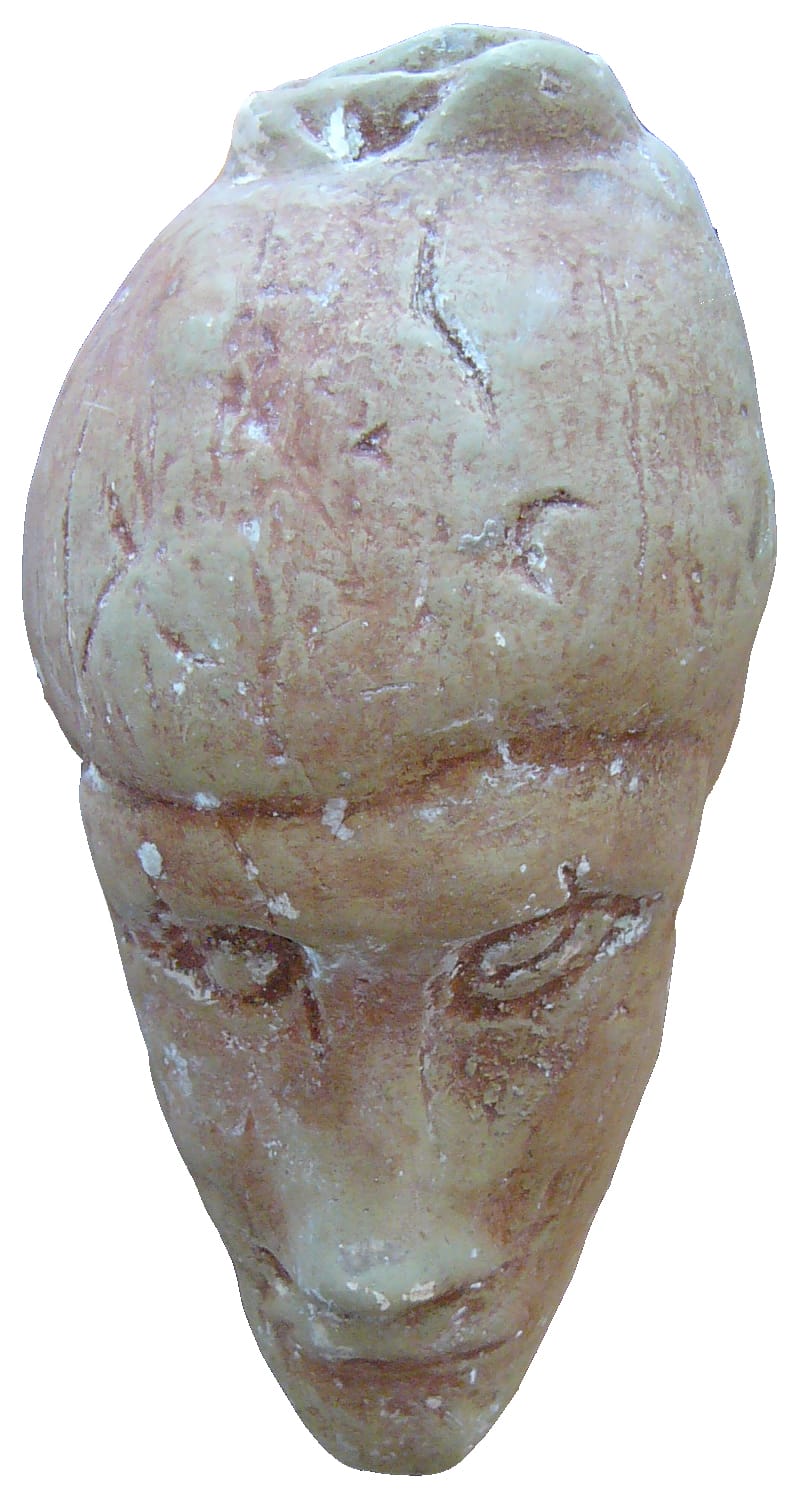
- A plaster cast of a mammoth-ivory female head known as the Dolní Věstonice Venus XV, from Dolní Věstonice in Czechia, the site the Věstonice genetic cluster is named for. Photo: Michal Maňas, CC BY 3.0 (Wikimedia Commons)

