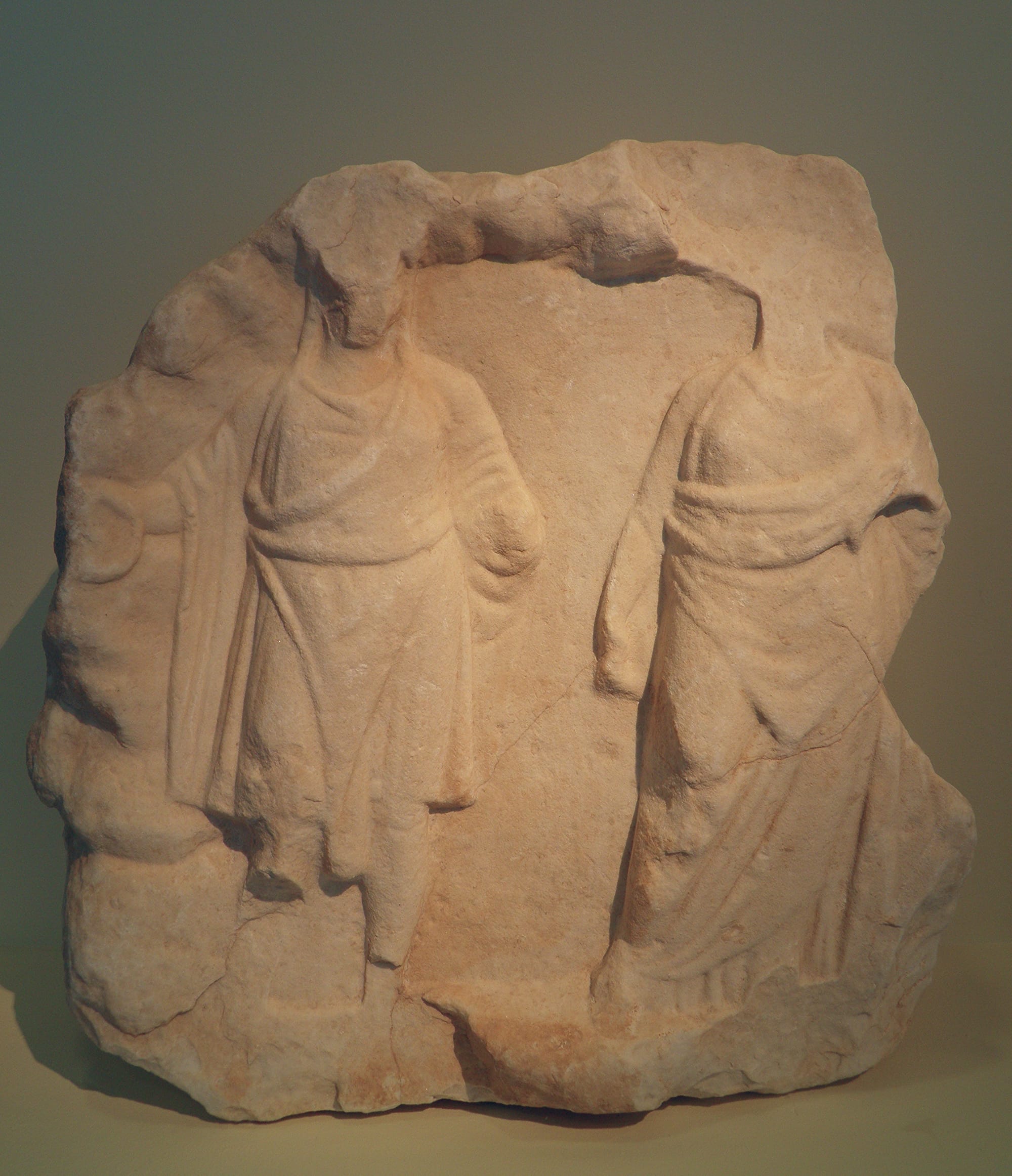
In a press release carried by the Bulgarian Telegraph Agency (BTA) on 19 October 2026, Bulgaria's National Museum of History said that this season's excavation at Balak Dere, in the municipality of Ivaylovgrad, has uncovered more of a pagan temple on the River Arda. It also reported a marble relief that its researchers say shows a combination of figures not seen together before. The museum's reading is that the site may be one of the last temples of the Thracians in Western Thrace. That is the excavators' working interpretation, and they present it as a possibility.
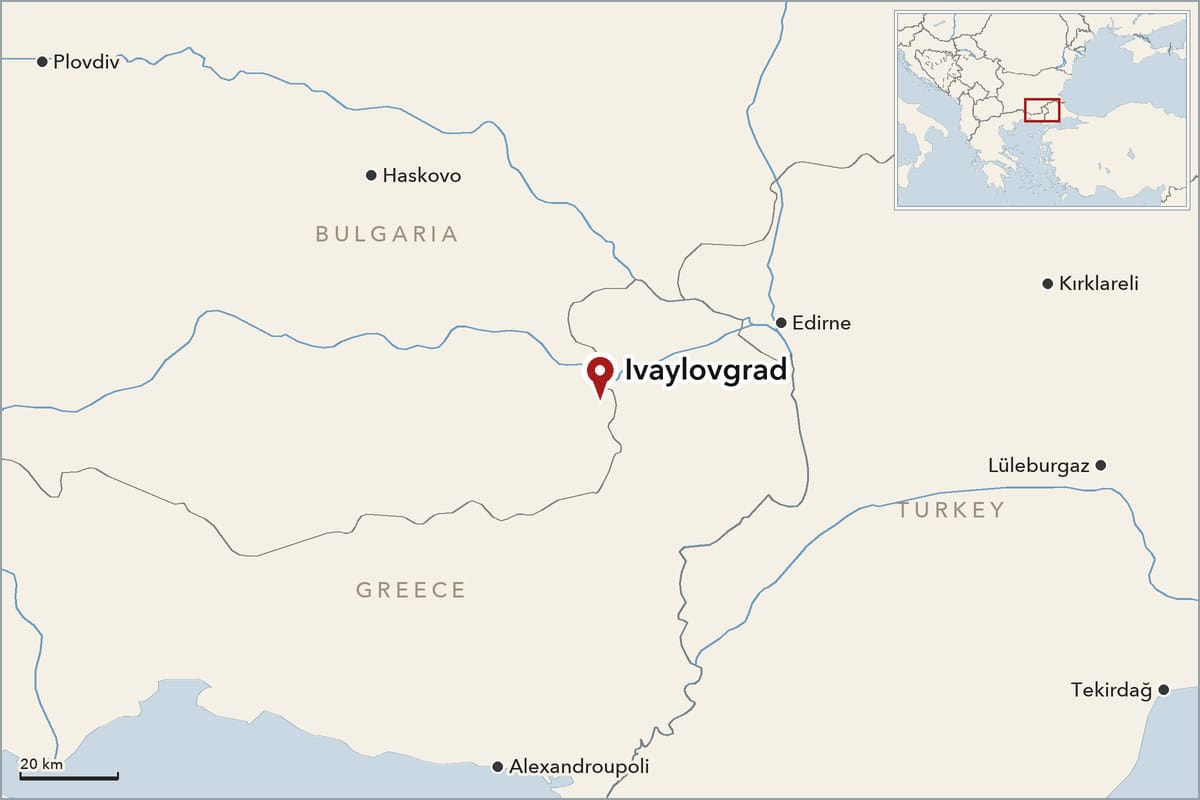
What the museum says was found
According to the release, the regular digs at Balak Dere ended in October. They were led by Ivaylo Kanev, chief curator at the museum. The release says the work was paid for entirely through a project of the Ministry of Culture, with support from Ivaylovgrad municipality.
The excavations, the release says, uncovered more of a pagan temple that had been thought to begin operating in the 3rd century AD. Finds over the years had led the team to think the complex on the Arda was an important spiritual and religious centre in Western Thrace. The museum says the 2026 season confirmed those expectations and showed that life at the site in antiquity was organised around the whole temple complex.
A temple built in a line
The release describes the temple as 15 metres long overall, on a trapezoidal plan, oriented southeast to northwest. It has three rooms linked by doorways. The largest holds the altar, the middle one the sacrificial place, and the third was meant for storing offerings.
The release stresses that these elements sit in a single line, and says the archaeologists see this as what gives the find its scientific value. In its words, it is practically the first time in archaeological practice that all the main elements of pagan temple architecture have been attested together in one space in an urban setting in antiquity up to the 5th century. That is the museum's claim about its own discovery, and it rests on what the excavators say.
The relief of the nymphs and Cybele
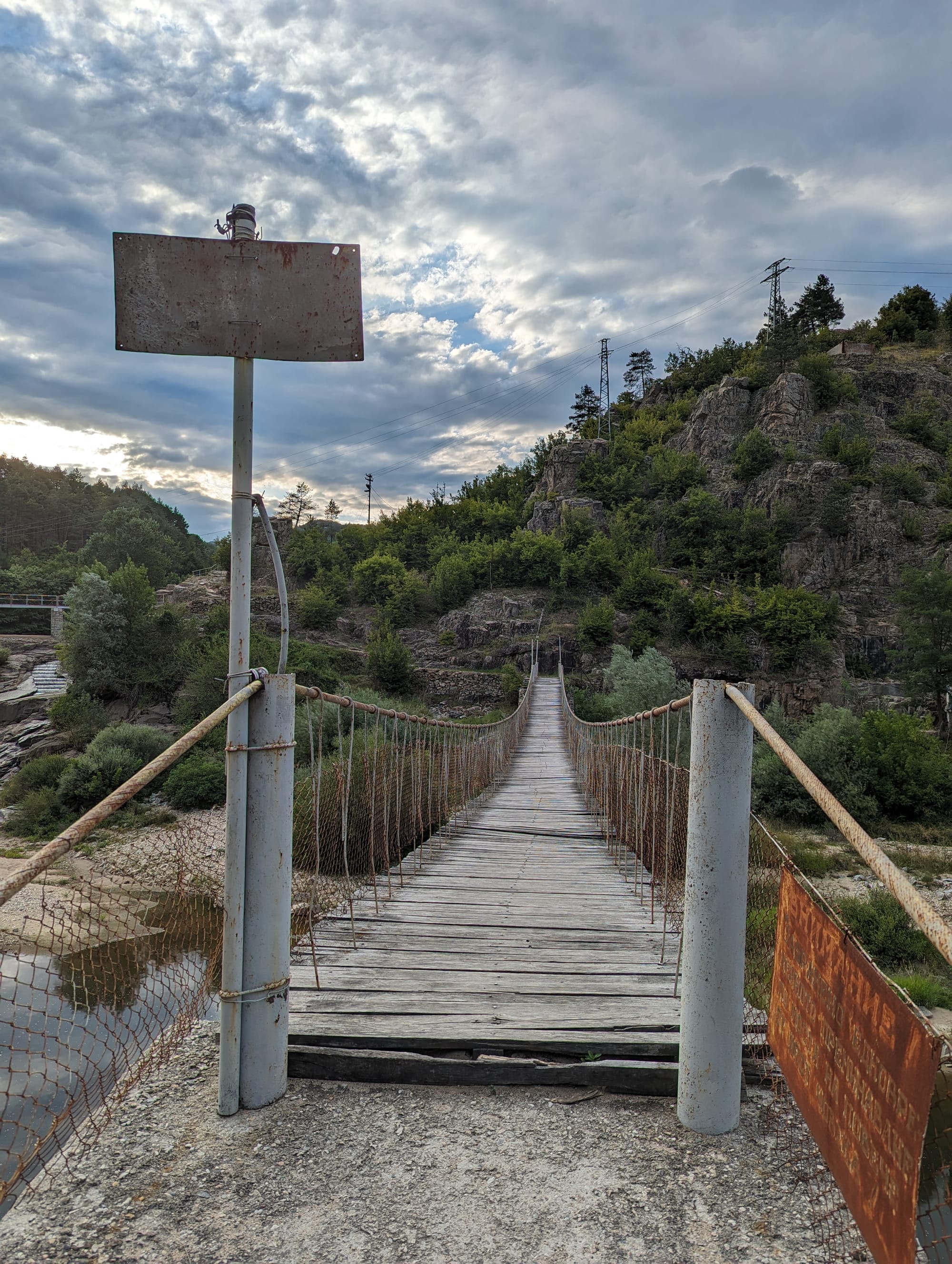
An important clue to the temple's purpose, the release says, is a marble relief showing three nymphs and the mother goddess Cybele. According to the researchers, this combination of the three nymphs and Cybele in a single composition has been found for the first time.
The release says the find points to a possible link between the temple and the cults of these deities, and opens new ways to study religious ideas in the region.
Two features of the site add to that reading. A water channel runs around the whole temple, and the Arda is close by. The researchers treat these as grounds for a working hypothesis that a nymphaeum, a sanctuary dedicated to the nymphs, operated at the site. A working hypothesis is not a conclusion, and the museum words it that way.
A late pagan holdout?
The release places the site in the religious upheaval of the Roman Empire from the middle of the 4th to the first half of the 5th century. It links those changes to the gradual rise of Christianity and its final establishment as the empire's sole official religion through the edict of Emperor Theodosius the Great in 392.
The museum says its study of the site's cultural layers clearly shows that pagan practice at the temple went on despite the authorities. It also says that the discovery of this practice led to harsh sanctions, tied to the complete burning of the complex in the middle of the 5th century and an attempt to erase the memory of the great Thracian gods.
On the strength of the architecture, the chronology, the relief and the link to water, the researchers allow that Balak Dere may be one of the last pagan temples of the Thracians in Western Thrace. The release says this scientific supposition matters because it points to traditional cult practice continuing, and holding on, in a period of repression against anyone who opposed Christianity as the empire's only religion.
What to make of it
My view is that the temple's plan is the more solid part of the announcement. Its length, orientation and three-room layout are matters of measurement. The nymphaeum, and the idea of a last Thracian holdout, are interpretations that the museum itself labels a working hypothesis and a supposition. They are worth following as the team publishes more, but they are not settled.
Sources
Национален исторически музей (2026) 'Храм от Късната античност разкрива следи от древни култове край Ивайловград', Национален исторически музей, 19 October 2026, available at: https://historymuseum.org/last-thracian-temple/ (Accessed: 22 October 2026).
БТА (2026) 'Национален исторически музей: Храм от Късната античност разкрива следи от древни култове край Ивайловград', БТА, 19 October 2026, available at: https://www.bta.bg/bg/news/bulgaria/oficial-messages/1227794-natsionalen-istoricheski-muzey-hram-ot-kasnata-antichnost-razkriva-sledi-ot-dre (Accessed: 22 October 2026).
Picture credits
- Top picture: Not the Balak Dere find: a marble votive relief depicting the goddess Cybele and her beloved Attis, Roman times, Philippi Museum, shown for comparison. Image: Marble votive relief of Cybele and Attis: Carole Raddato, Wikimedia Commons (CC BY-SA 2.0)
- A hanging bridge across the Arda river, on which the Balak Dere complex was built. Photo: Андрей Романенко, CC BY-SA 4.0, via Wikimedia Commons
- Map: drawn from Natural Earth (public domain) and Wikidata.

