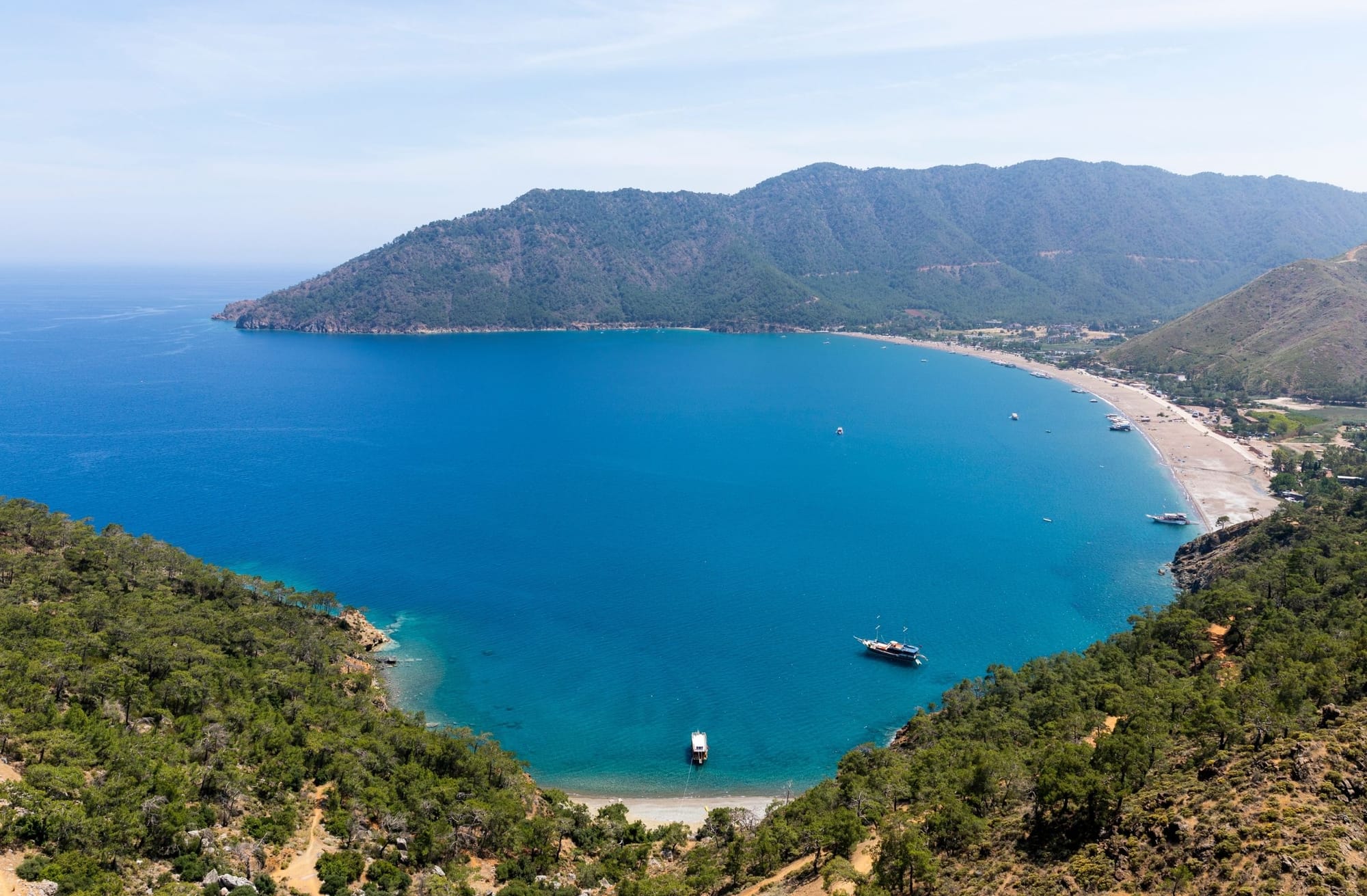
Above: The coast at Adrasan, Antalya. The wreck lies off Adrasan, where work goes on 42–55 metres down. (Adrasan Bay, photo by Bilgegezgintr, CC BY-SA 4.0, via Wikimedia Commons)
On 28 September 2026, Türkiye's Minister of Culture and Tourism, Mehmet Nuri Ersoy, announced on X that excavators had brought up thousands of objects from a ceramic-laden shipwreck off Adrasan, on the Antalya coast. His post called them 2,100-year-old dinner services. It also named a Roman who may have written about the same kind of ware: Cicero.
The first half of that announcement is a catalogue of finds. The second half is an identification. They deserve different levels of trust.
What the ministry says was found
Ersoy's post says the underwater excavation at Adrasan began in 2025 and has so far recovered thousands of objects from the wreck. TRT Haber, the Turkish state broadcaster, reported on the same day that the site lies off Adrasan in Kumluca district and that work is going on 42 to 55 metres below the surface. Ersoy's post adds that the team is using underwater robots.
The headline figure is 122: the number of different forms and sizes of plates, bowls and trays in the cargo. TRT's report lists nut dishes, soup bowls, fish plates and trays in several sizes. It also says amphorae, thought to have been made on some Aegean islands, were found at the wreck. TRT says these finds point to different production centres.
Why they survived
Ersoy attributes the condition of the pieces to the way they were loaded. In his words, the clay placed between the vessels as they were set into crates is why they reached the present in sound condition. TRT's account is more specific: the ceramics went into wooden crates with clay between them, and that, it says, stopped the pieces breaking when the ship sank. This is the ministry's explanation, and a plausible one for a cargo of fine tableware.
The date and the voyage
Coins from Antioch, dated to the first century BC, were found on the ship. TRT reports that they help date the wreck and that the finds point to a ship working a trade network between Antioch, the Aegean, Greece and Italy in the middle of the first century BC.
The ship's story is given as an estimate. TRT says the vessel is thought to have set out from Arsuz and is estimated to have sunk, probably on the way to Rome, after striking a shoal in a storm. The wording is "thought" and "estimated", and it should be read that way.
Where was it made?
Two places are named. Ersoy's post calls the pieces Rhosus ceramics, using the ancient name for Arsuz, which TRT Haber places in Hatay. TRT says the main cargo is made up of plates and bowls of Antakya origin, and in the next sentence says the pieces are thought to have been produced on the coast of Rhosus, in Arsuz district. Later in its report, TRT describes the wreck's ceramics as being associated with Rhosus production.
My reading is that calling them Rhosus ceramics is the ministry's working label. It is not yet a settled statement of where the kilns stood.
The Cicero letter
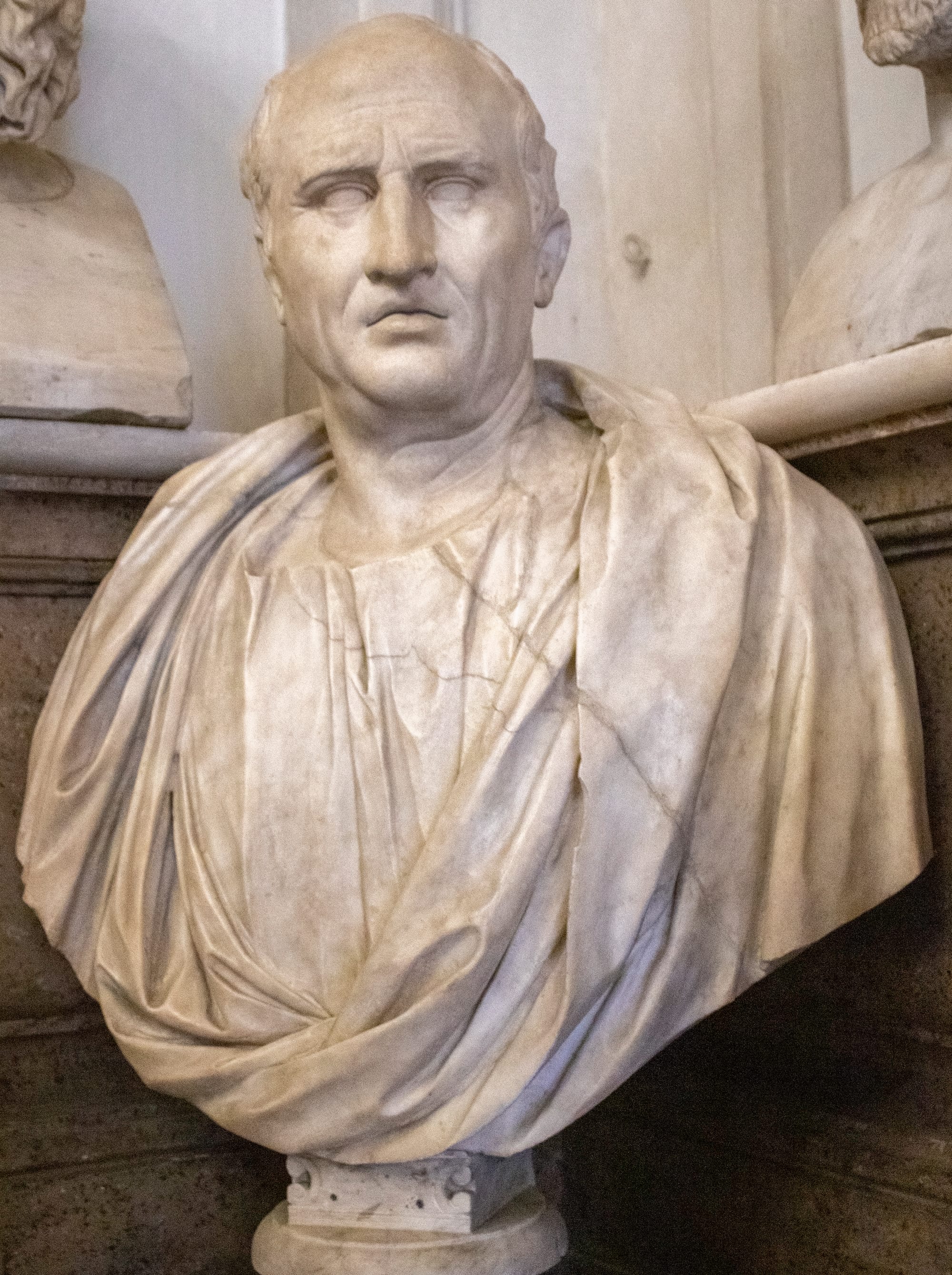
Ersoy's post says the Rhosus ceramics were the subject of Cicero's letters, in connection with an order he placed for his friend Atticus. TRT gives the date as 50 BC and describes a letter in which Cicero tells Atticus he has ordered ceramic vessels from Rhosus for him. TRT reads this as showing that the region's tableware was known and preferred in the Roman world.
That is TRT's evidence for the ware's reputation, and on TRT's description of the letter it is a fair one. What it does not give us is a link between that order and this cargo. TRT's wording is that the wreck's ceramics are associated with Rhosus production, and it frames the connection as making the site important for understanding how such ware travelled by sea. In my view, the Cicero connection is a good reason to take the find seriously, not a finding in itself. Nothing in the ministry's account says the Adrasan vessels were his order or that he handled them.
What to watch
The 122 forms and sizes, the clay packing and the depth are stated by the minister and reported by the state broadcaster; the coins are reported by TRT. TRT hedges the Rhosus attribution and the ship's route, while also calling the main cargo of Antakya origin. The place of manufacture, the route and the Cicero association are best held loosely until a full publication appears.
Sources
Ersoy, M.N. (2026) 'Akdeniz'in derinliklerinden 2.100 yıllık sofra takımlarını gün yüzüne çıkarıyoruz', X (@MehmetNuriErsoy), 28 September 2026, available at: https://x.com/MehmetNuriErsoy/status/2104466293239820519 (Accessed: 9 October 2026).
TRT Haber (2026) 'Akdeniz'in derinliklerinden 2 bin 100 yıllık sofra takımı çıkarıldı', TRT Haber, 28 September 2026, available at: https://www.trthaber.com/haber/kultur-sanat/akdenizin-derinliklerinden-2-bin-100-yillik-sofra-takimi-cikarildi-958385.html (Accessed: 9 October 2026).